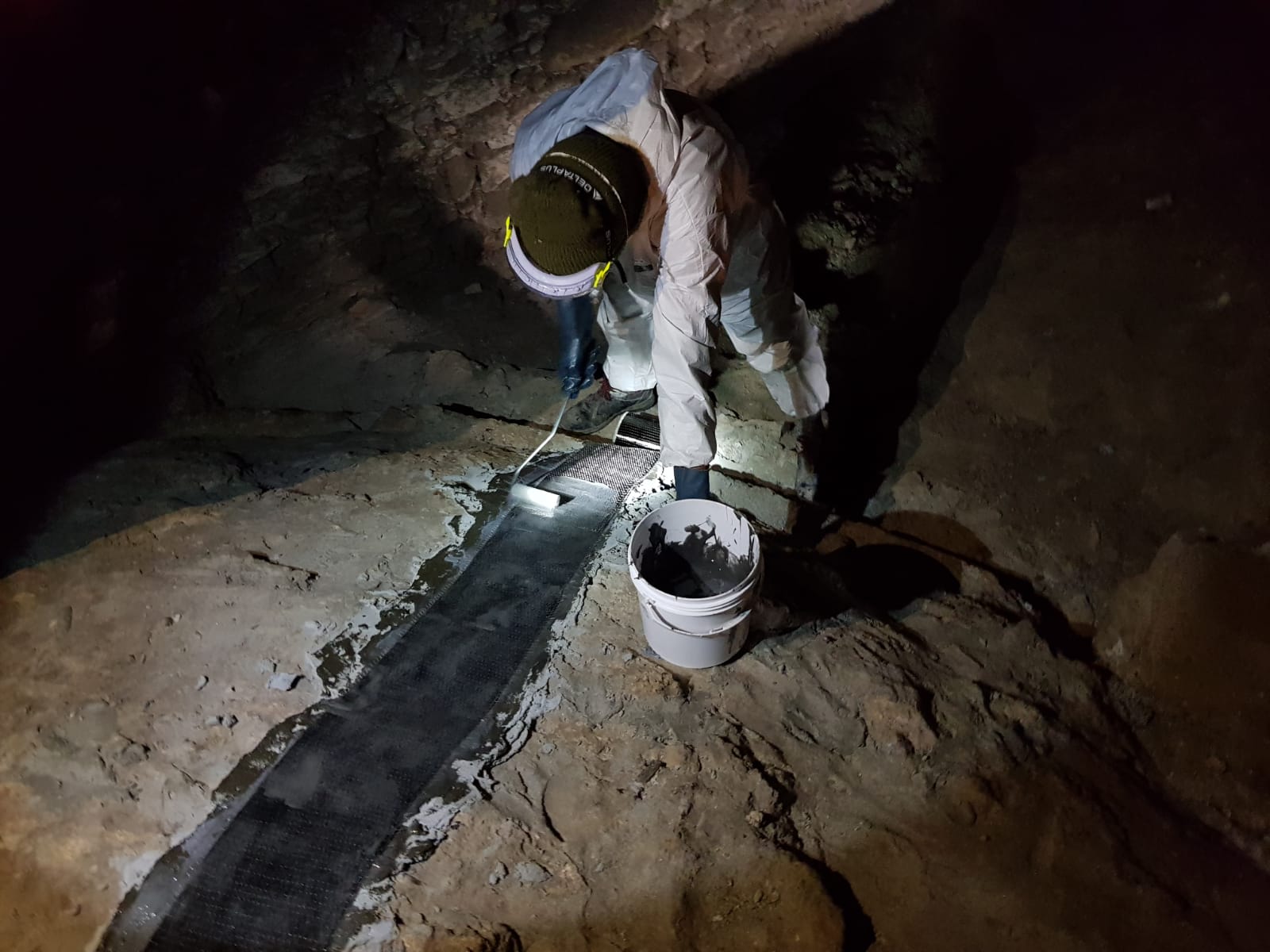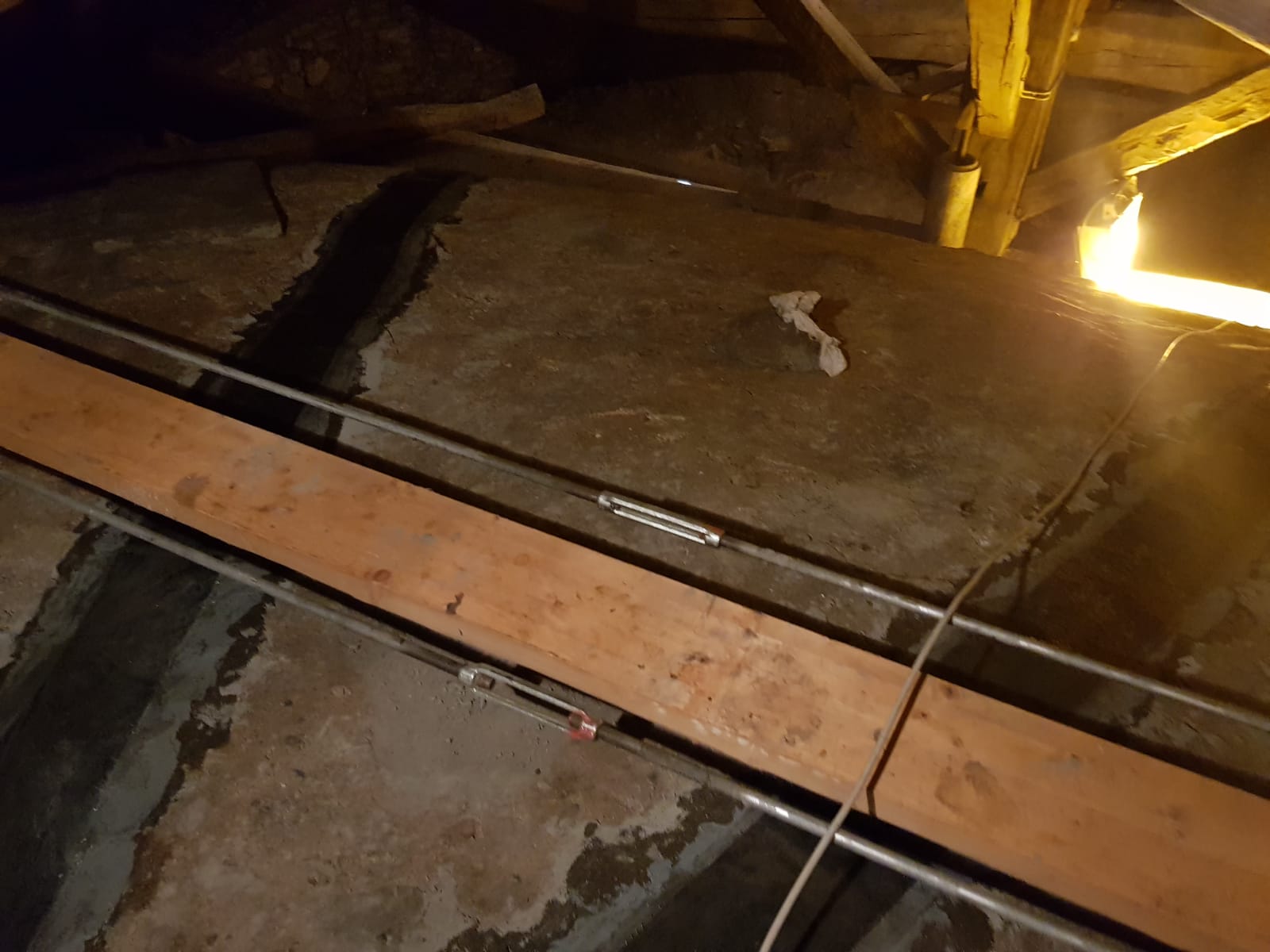
Domes are among the greatest expressions of sacred architecture, yet their majesty must contend with centuries of structural thrusts and micro-settlements. In this recent consolidation project on a historic church dome, we employed Fiber Reinforced Polymer (FRP) technology: a cutting-edge solution that ensures safety without adding weight to the original structure.
The core of the intervention involved “hoop strengthening” (confinement) on the extrados, designed to counteract the tensile stresses that often cause cracking in vaulted structures.
The use of high-strength carbon or glass fibers delivered exceptional results through:
- Minimal Invasiveness: Unlike traditional steel or reinforced concrete methods, FRP has a millimetric thickness that does not alter the dome’s original geometry.
- Extraordinary Lightness: The material provides immense strength without increasing seismic mass—a crucial factor in the protection of heritage buildings.
- Durability and Reversibility: Composite materials are immune to corrosion and allow for an intervention that respects the core principles of conservative restoration.
- Protecting Heritage through Innovation The reinforcement is invisible, but its impact is vital. Thanks to these technological “bandages,” the dome correctly redistributes structural loads once more, ensuring the stability of the entire building and safeguarding the frescoes and decorations below. An invisible embrace that secures these masterpieces for centuries to come.